Listen


 Facebook
 Nextdoor
 X
 WhatsApp
 Email
 Copy link

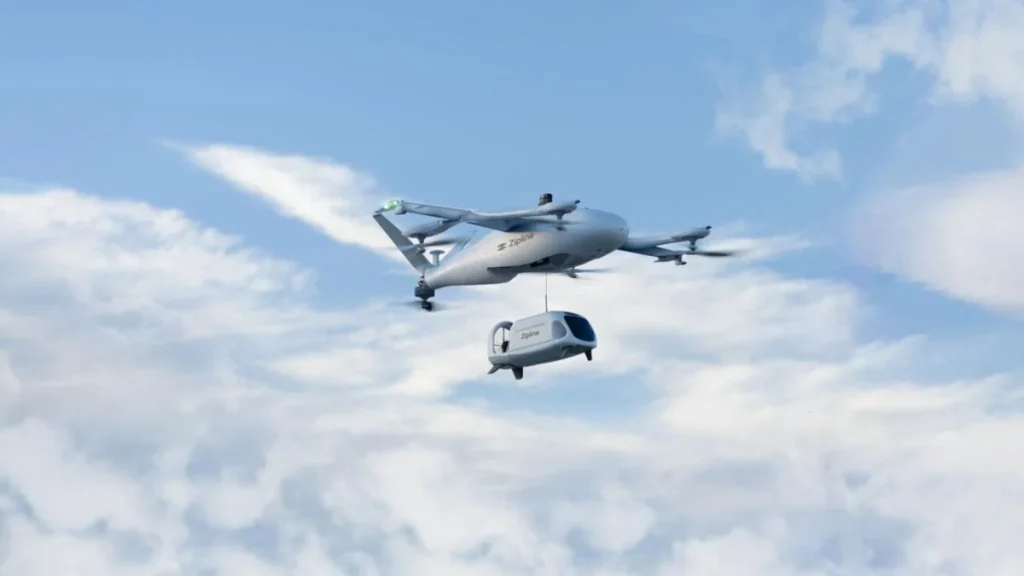
Zipline International is asking federal regulators to approve up to 65,000 drone deliveries a day over Tucson. The plan calls for up to 65 docking towers across the city. It also calls for 1,300 pickup locations, the Federal Aviation Administration said.
The California-based company already flies electric drones in several cities, according to the FAA. Those cities include Cleveland, Dallas-Fort Worth, Houston and Salt Lake City.
The drones carry food, prescriptions and other goods, according to Zipline. The Tucson plan is part of a $1.5 billion nationwide expansion with partners including Walmart and Uber Eats, Tucson.com reported.
Drone service would run around the clock
The service would operate 24 hours a day, seven days a week, including holidays, the FAA said. About 95% of flights would happen between 7 a.m. and 10 p.m.
Zipline’s delivery drone is about 8 feet long, with a nearly 8-foot wingspan and five propellers. It weighs about 55 pounds and can carry an 8-pound payload, according to the FAA assessment. It has a range of about 20 miles per charge.
When an order comes in, a drone leaves its charging tower. It climbs to about 330 feet and flies about 70 mph to a dropbox, the FAA said. A tethered pod lowers from the hovering drone to pick up or drop off packages.
Zipline’s proposal caps daily deliveries at 65,000, the FAA said. But total daily flights could reach 195,000. A delivery means a drone flies from a charger to a dropbox, to the customer and back to a charger.
Environmental review open for public comment
The FAA released a 171-page draft environmental assessment of the Tucson and Phoenix proposals. It concluded the drone flights would not cause significant noise or visual impacts, the agency said. It also found the flights would not pose a major threat to migratory birds, bats or federally listed species.
Public comment on the assessment is open through Dec. 7, the FAA said.
Chargers and dropboxes would go in commercial areas that fit local zoning, the FAA said. Those areas include retail stores, warehouses and labs, according to the FAA.
Their exact locations depend on a plan Zipline is still developing with partners, the agency said. Zipline is also working with local officials, wildlife groups, schools and airports.
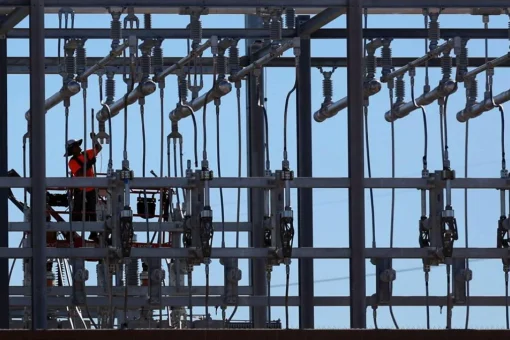
The FAA assessment includes a rendering of a charger that holds 12 drones. Some towers are designed to hold up to 36, according to the FAA.
County official says she learned of plan from a reporter
Pima County Supervisor Jen Allen said she first heard about Zipline’s plans when a Tucson.com reporter called her Monday afternoon.
Allen said rural parts of the county reachable only by rough dirt roads might benefit from drone deliveries. But she said she worries about adding thousands of flights over urban areas. Those areas have multistory apartment buildings, trees and power lines.
“I think we’ve all had drones buzzing overhead, and they’re irritating,” Allen said. “We’ll definitely have to look further into it.”
Allen said Tucson residents are likely to raise concerns about the drones’ effects on wildlife and privacy. They may also raise concerns about noise and the city’s dark night skies.
Zipline’s proposed Tucson flight zone covers 554 square miles, according to the FAA. The company has a separate, similar proposal for Phoenix, the FAA said. It has the same caps on chargers, dropboxes and daily deliveries, but a service area roughly three times larger.
Tucson.com reported it is unclear when Zipline hopes to begin operating in the city. The company did not respond to questions from the outlet on Monday.
Zipline describes itself as the world’s largest drone delivery service, according to the company’s website. The company says it has flown nearly 150 million autonomous miles and completes a delivery every 15 seconds.
It says its drones made more than 1 million accident-free deliveries in the Dallas-Fort Worth area over the past year.
The FAA is also reviewing Zipline drone proposals for Austin, San Antonio and Seattle, the agency said.