Listen


 Facebook
 Nextdoor
 X
 WhatsApp
 Email
 Copy link

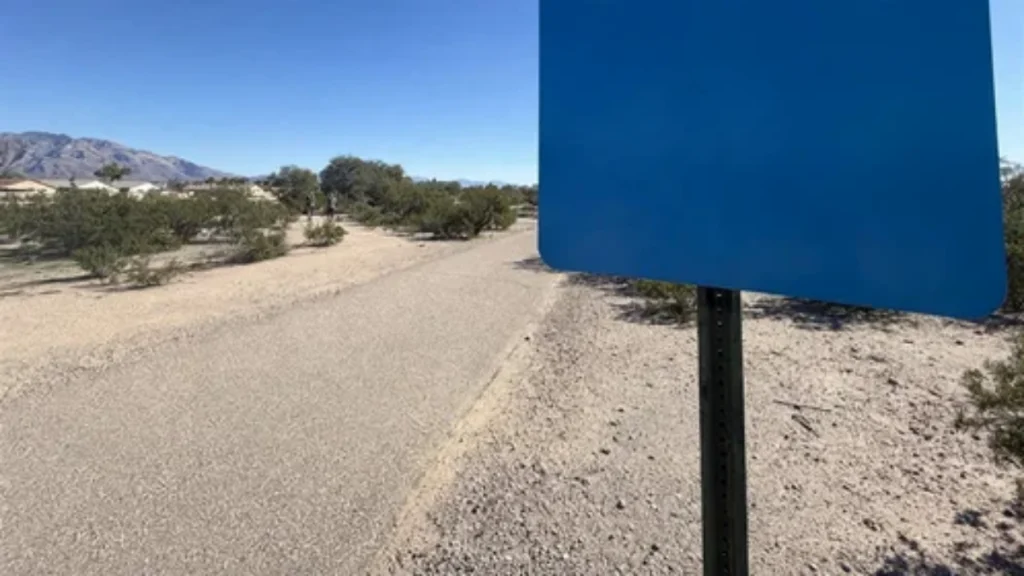
Tucson City Council unanimously approved a pilot program this week. It could put trail rangers on the Loop and all other city bike paths, 13 News reported.
The idea now goes to the Parks and Recreation Department. It will draft a full proposal covering staffing levels and cost, 13 News reported. The council’s motion also directs the transportation department to work with Pima County on a pilot plan, Wisevoter reported.
What was decided
- The council voted unanimously to approve a pilot trail ranger program for the Loop and other bike paths, Wisevoter reported.
- The transportation department must draft the program with Pima County, which controls the 140-mile Loop, Wisevoter reported.
- Rangers would ride e-cargo bikes daily, picking up trash, flagging maintenance issues and calling in nuisance concerns. They would also help trail users with basic bike repairs, 13 News reported.
- Mayor Regina Romero and Vice Mayor Lane Santa Cruz described the plan. Rangers would also connect unsheltered people with shelter, food, treatment and clothing, Hoodline reported.
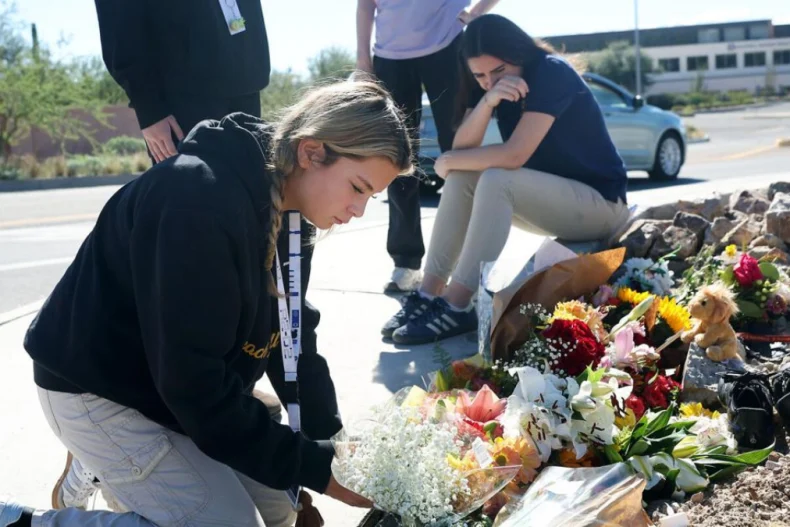
The push follows the fatal stabbing of Enrique Mercado, 44, in 2025. He was stabbed during a group ride on the Chuck Huckelberry Loop, Hoodline reported, citing the Arizona Daily Star. The case renewed debate over safety on the city’s shared paths.
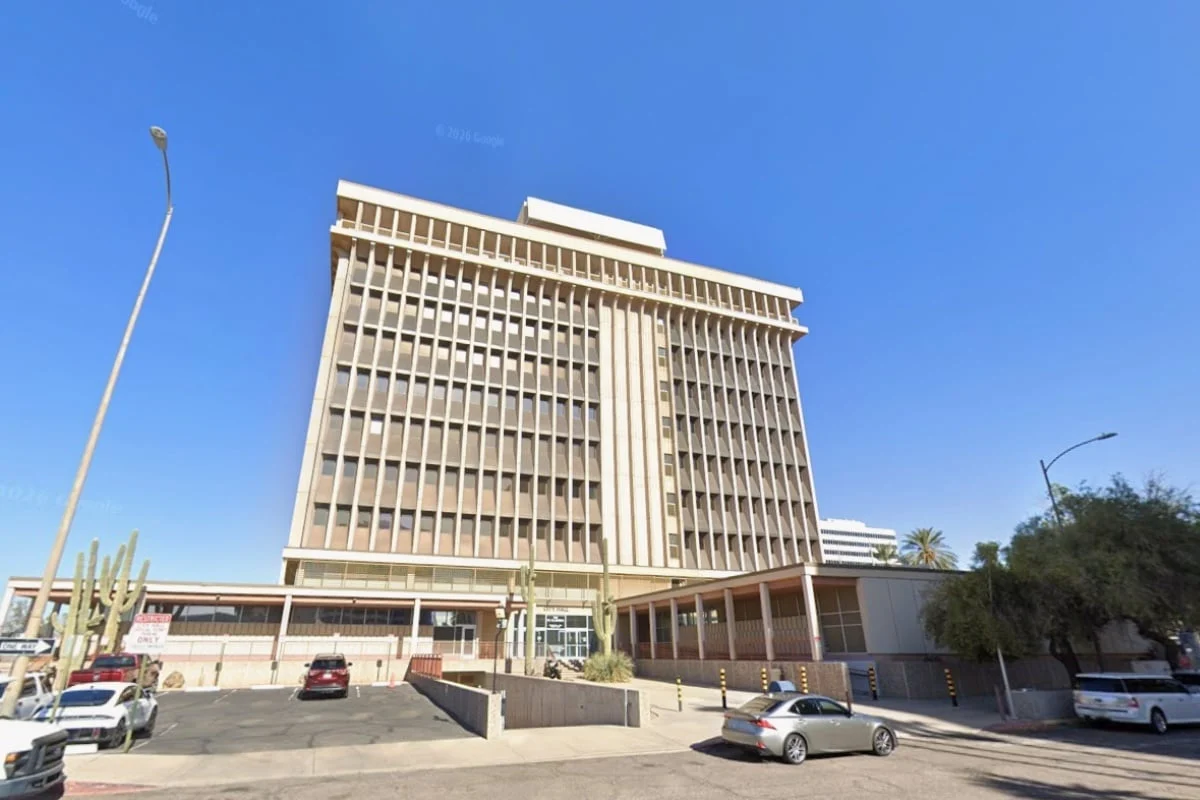
Rangers modeled on a Washington, D.C., program
Santa Cruz said the pilot would model a trail ranger program. It is already running on bike paths across Washington, D.C., 13 News reported.
“It gives us an opportunity to have people on the ground maintaining our trails,” Santa Cruz said, according to 13 News. “Just our eyes and ears out on the trail.”
Santa Cruz said Tucson’s trail network has outpaced its upkeep. “We’re building out these amazing trail infrastructure but the maintenance doesn’t come along with it,” she said, 13 News reported.
She said the city and county already have ways to report trail problems, but rangers would speed up repairs.
“What we see right now is that a lot of our trails get really bad before somebody calls them in,” Santa Cruz said. “And then they’re on queue with a long list of other maintenance requests. So by having somebody that’s out there continuously taking care of it, it diminishes the need for these big cleanup requests,” she said, according to 13 News.
The Washington Area Bicyclist Association’s Trail Rangers program employs eight rangers at about $59,000 a year each. Santa Cruz toured the program in the spring, and it covers roughly 30 miles of trail, Wisevoter reported.
Hoodline reported that Greater Greater Washington put the D.C. staff at nine, including five trail rangers, covering nearly 25 miles. The D.C. rangers also do not handle formal case management or referrals, unlike the outreach role planned for Tucson.
Ezra Hollander runs the D.C. program. He told the council Tuesday that the patrol model flags problems immediately instead of waiting for complaints.
He said his staff build rapport with unhoused people they meet on D.C. trails. Staff sometimes hand out trash bags and grabbers, according to Hoodline.
Bike path user says upkeep helps everyone
Bike path user Marc Shreve said the program could fix problems he already sees on the trails, 13 News reported.
Shreve said a lot of people use the Loop and other trails. “The better everybody in the community keeps this kept up and things, it’s the better for everybody,” Shreve said, according to 13 News.
Some residents have questioned whether the program will last, since Pima County ran a similar effort and ended it. Santa Cruz said Tucson’s version would differ, 13 News reported.
Rangers on e-cargo bikes would experience the trails the way users do, Santa Cruz said. This differs from relying on a truck that simply empties trash cans.
No cost estimate yet as funding sources take shape
Hoodline reported that city officials told the council they do not yet have a cost estimate for the pilot. Officials floated using part of a $5 million Regional Transportation Authority allocation. It was originally set aside for ADA and safety improvements, and could pay for ranger staffing.
Those RTA funds cannot cover road maintenance such as potholes, Hoodline reported. Maintenance costs would instead come from the city’s clean city fee. That is a $3 monthly charge added to utility bills over the summer, a city memo cited by Hoodline said.
Tucson’s existing Transit Ambassadors program keeps a presence on buses and at bus stops. For comparison, it costs about $375,000 a year, Wisevoter reported.
Tucson’s bike path network covers 52 miles now. It could grow to nearly 74 miles once planned projects are finished, Hoodline reported.
City-owned paths include the El Paso and Southwestern Greenway, the Arroyo Chico Greenway and the Rodeo Wash Greenway. The network also includes the county-controlled Loop, according to Hoodline.
No launch date has been set. The transportation department is expected to bring a completed pilot proposal to a future mayor and council meeting. A possible vote could come in the coming months, Hoodline reported.